 Southern Wildlife Resources
Conservation Policy
Southern Wildlife Resources helps municipalities, developers, farmers, and landowners evaluate their property, develop a conservation action plan, and implement it, from urban wildlife conflict to federal compliance and conservation funding.
Planning and Development Assistance
Need help planning the impact of wildlife to municipalities, communities, or subdivisions? We can help create and implement a wildlife management plan that minimizes wildlife conflict in urban areas. Our years of expertise in working with municipalities to resolve wildlife challenges will prove to be effective and cost-efficient.
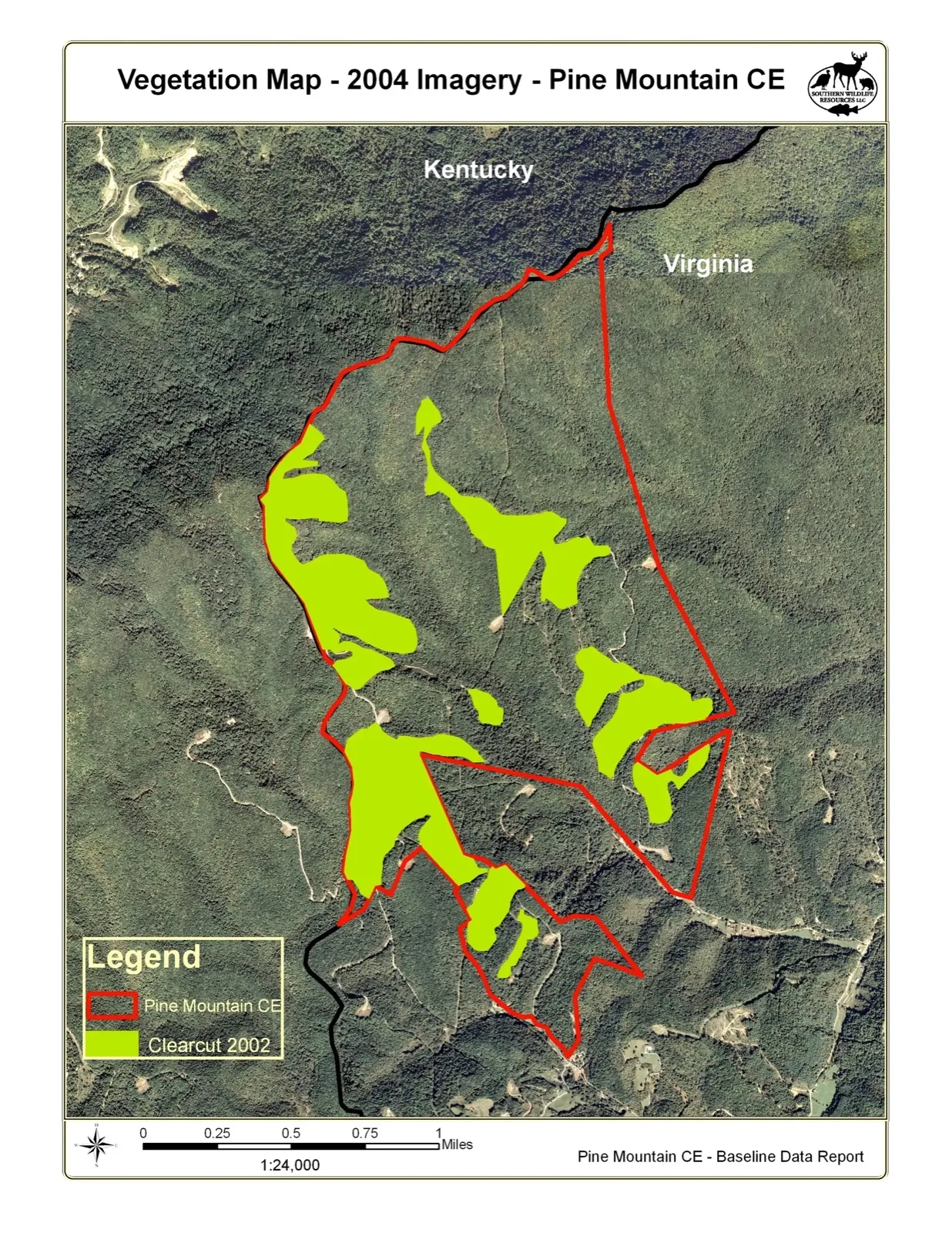
We also are experienced in developing baseline data reports, which are a requirement to put your land into a conservation easement, an action that provides permanent protection for your land and often has significant tax benefits. Ask us how to start!
Conservation Law
We provide expertise in the planning and navigation of complex conservation issues that provide roadblocks to development or management projects. Our understanding of the complexities of the Endangered Species Act and other federal requirements will ensure that you meet your goals in a legal and conservation-friendly manner.
Conservation Funding
The Farm Bill is the largest source of conservation funding in our country, and its conservation components are developed exclusively for landowners to manage a portion or all of their land in a manner that conserves soil, water, and wildlife. For farmers and landowners, we offer planning and guidance on the use of the Farm Bill and other conservation funding sources to maximize your profitability in balance with wildlife management needs.
Project: Poach and Pay
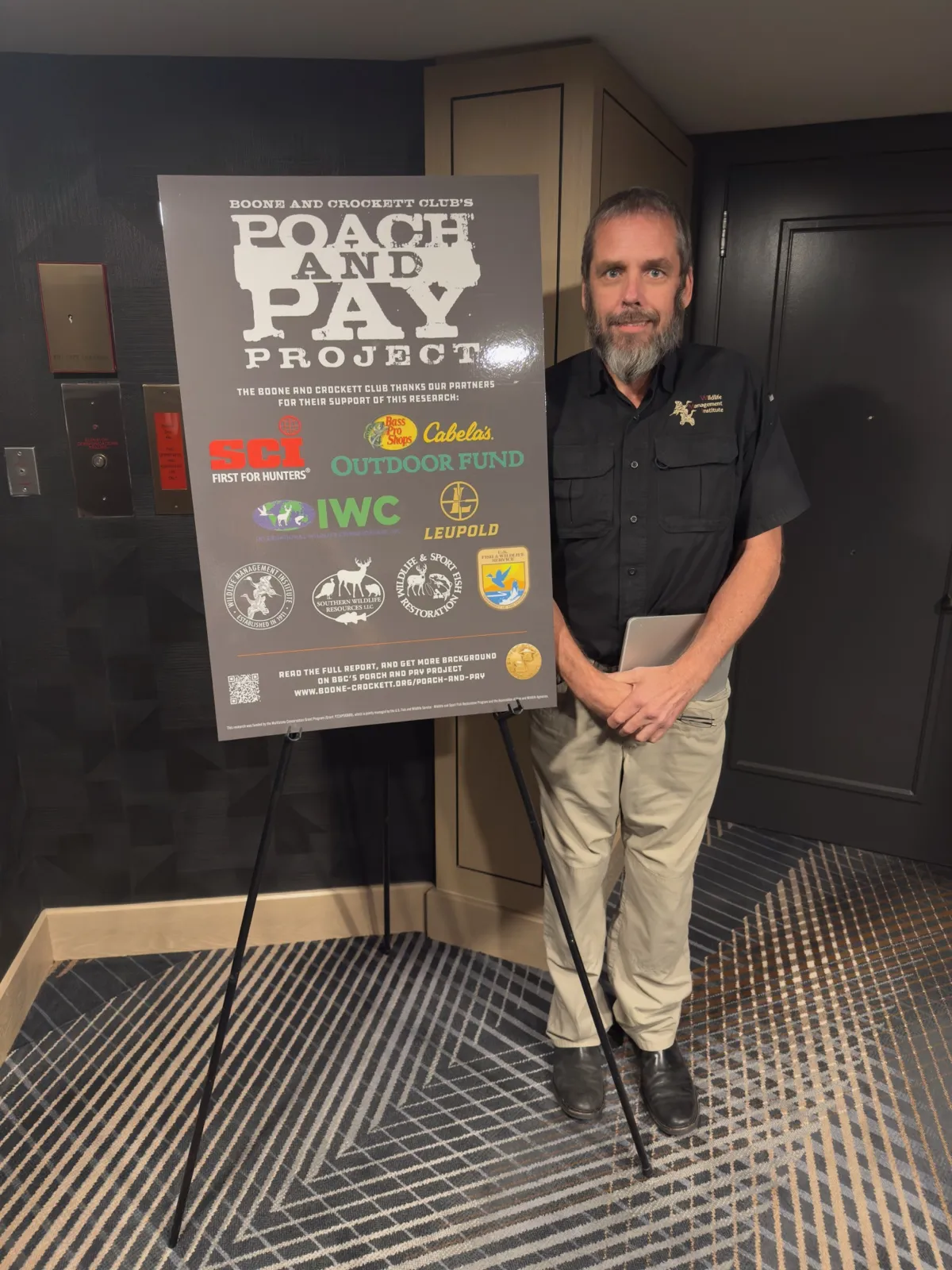
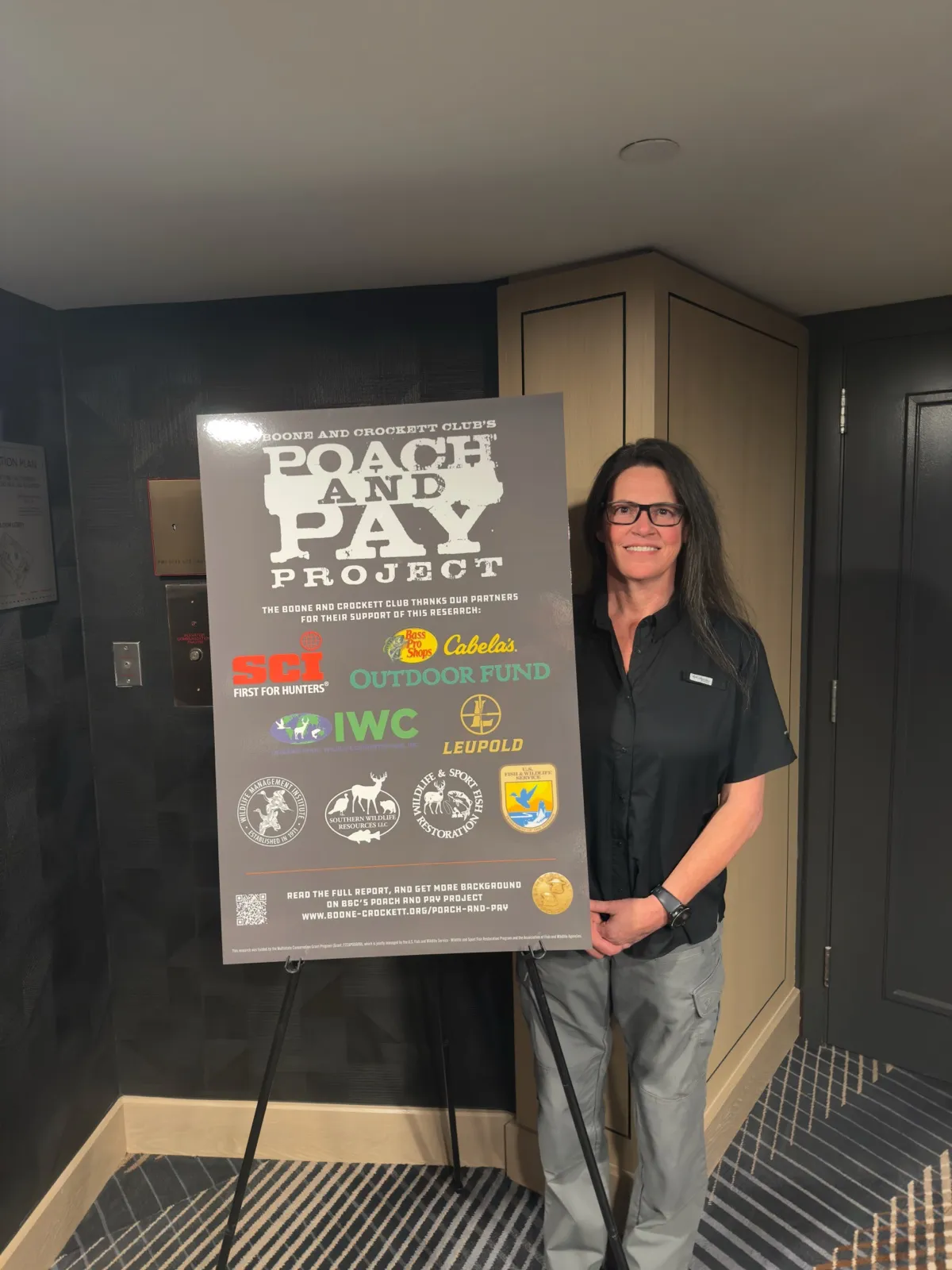
Poach and Pay is a collaborative research initiative of the Boone and Crockett Club, the Wildlife Management Institute, and Southern Wildlife Resources that studies the illegal take of big game in the United States. The work was funded by the Multistate Conservation Grant Program (Grant F22AP00699), which is jointly managed by the U.S. Fish and Wildlife Service Wildlife and Sport Fish Restoration Program and the Association of Fish and Wildlife Agencies. Confidence: 10/10
More details: how the program began and what it set out to do
The program grew out of the Boone and Crockett Club's initial 2017 study of poaching penalties and the judiciary, and it was designed to determine the attitudes of the stakeholder groups most impacted by wildlife crime, describe the motivational factors and potential deterrents that influence poachers, reduce judicial and prosecutorial barriers to wildlife crime, assess the levels of detection and the conservation impacts associated with wildlife crime, and provide solutions for improving detection, prosecution, and conviction rates. Confidence: 9/10
The final report, Reducing the Illegal Take of Wildlife by Investigating the Motivators, Evaluating the Associated Conservation Costs, and Improving Detection Rates of Poaching (Gassett, Blevins, & Williams, September 2025), is structured around seven integrated research phases: stakeholder attitudes, offender typologies, judicial barriers, detection rates, conservation costs, deterrence strategies, and best management practices.Confidence: 10/10
What the study found
More details: the study's key findings
- Hunters, landowners, and conservation officers surveyed across eight demographically and geographically representative states view poaching as a serious and widespread problem, and there was broad support for increasing fines, restitution, and enforcement.Confidence: 9/10
- Poachers are not a homogenous group. The study identified nine primary categories of poachers: trophy, commercial, subsistence, backdoor (convenience), recreational, protective, tradition/protest, challenge, and thrill-kill.Confidence: 10/10
- Using Bayesian models informed by survey data, citation records, and telemetry studies, the study estimated true detection rates of 2 to 7 percent, meaning approximately 95 percent of poaching incidents likely go undetected.Confidence: 9/10
- Applying wildlife replacement values to detection estimates, state wildlife agencies and the public lose at least $1.44 billion annually in uncollected fines and replacement costs, an average of $28.7 million per state per year. That loss exceeds Wildlife Restoration (Pittman-Robertson) apportionments for 68 percent of states and hunting license revenue for 78 percent of states.Confidence: 9/10
- The certainty of detection, not the severity of the penalty, is the most effective deterrent to poaching. Confidence: 9/10
- The report proposes Best Management Practices for reducing big game poaching, focused on increasing detection of illegal activity, establishing punitive measures that discourage it, and increasing public awareness of the difference between poachers and legal hunters.Confidence: 9/10
Southern Wildlife Resources' role
More details: the report's authors and our part in the research
Southern Wildlife Resources is one of the three collaborating organizations behind Poach and Pay, and two of the report's three authors lead our work on the project. Dr. Jon Gassett, owner of Southern Wildlife Resources and Southeastern Field Representative for the Wildlife Management Institute, previously served as Commissioner of the Kentucky Department of Fish and Wildlife Resources and as President of the Association of Fish and Wildlife Agencies, the Southeastern Association of Fish and Wildlife Agencies, and the Midwest Association of Fish and Wildlife Agencies. Dr. Kristie Blevins is a criminologist and Professor in the School of Justice Studies at Eastern Kentucky University whose research interests include wildlife crime, crime prevention, and the occupational reactions of wildlife conservation officers and criminal justice employees. They authored the report with Dr. Steven Williams, past President of the Wildlife Management Institute.Confidence: 10/10
Project documents
- Final report (PDF, 205 pages): Reducing the Illegal Take of Wildlife by Investigating the Motivators, Evaluating the Associated Conservation Costs, and Improving Detection Rates of Poaching (2025)
- Presentation (PDF, 20 slides): Poach & Pay, The Dark Figure of Big Game Poaching in America, presented at the Texas Wildlife Association Annual Conference, San Antonio, TX, July 2026.
To talk with us about wildlife crime research, policy analysis, or a conservation project, call us or email jon@southern-wildlife.com.
Have a question about this service? See our Frequently Asked Questions or call us.